

Last updated: March 2026
In the first week of March 2026, the price of a 14.2 kg domestic LPG cylinder jumped by ₹60 overnight. In Delhi, the cylinder now costs ₹913. In Kolkata, it crossed ₹939. In Patna, households are paying over ₹1,000 for a single refill.
But the price hike was only the beginning.
Geopolitical tensions in West Asia — particularly the conflict around the Strait of Hormuz — have disrupted the very supply routes that India depends on for cooking fuel. India imports roughly 60% of its LPG, and nearly 90% of those imports travel through the Strait of Hormuz. When that chokepoint tightened in early March 2026, over 320,000 tonnes of LPG became stranded on 22 vessels. Restaurants in Delhi, Mumbai, and Bengaluru reported delays in commercial cylinder deliveries. Some small food businesses replaced hot meals with sandwiches and lemon water to stretch dwindling gas reserves.
This is no longer a hypothetical problem. The question Indian households are now asking is simple and urgent — what are the best alternatives of LPG to cook food?
This article answers that question with depth, practicality, and honesty. Every alternative discussed here has been evaluated on real-world cost, suitability for Indian cooking styles, availability, and long-term viability. Whether you live in a metro apartment, a tier-2 city, or a rural homestead, you will find an option that fits your kitchen.
Why India’s LPG Dependency Has Become a Serious Vulnerability
To understand why the best alternatives of LPG matter now more than ever, it helps to look at how deeply dependent India has become on a single cooking fuel.
India is the world’s second-largest LPG importer. Domestic production covers only about 40% of total demand. The remaining 60% comes from overseas — primarily the Middle East. The Pradhan Mantri Ujjwala Yojana (PMUY), launched in 2016, expanded LPG connections to over 310 million households. What was once a luxury became a necessity. By February 2026, India’s LPG consumption reached 2.8 million tonnes in a single month — the highest daily consumption rate ever recorded.
That rapid expansion created a structural weakness. When supply routes through the Persian Gulf were disrupted in March 2026, the consequences rippled immediately into household kitchens. LPG delivery cycles, which typically average 2.5 days, stretched unpredictably. Panic bookings surged. Commercial establishments — restaurants, dhabas, catering units — scrambled for alternatives.
The International Institute for Sustainable Development (IISD) published a report in February 2026 making the case for gradual diversification beyond LPG. The report argued that scaling electric cooking in urban areas and biogas in rural areas — alongside LPG — would reduce India’s vulnerability to global price shocks and supply disruptions.
This is the context behind every alternative discussed below. These are not experimental ideas. They are practical solutions that millions of households are already adopting.
1. Induction Cooktops — The Most Practical Urban Alternative
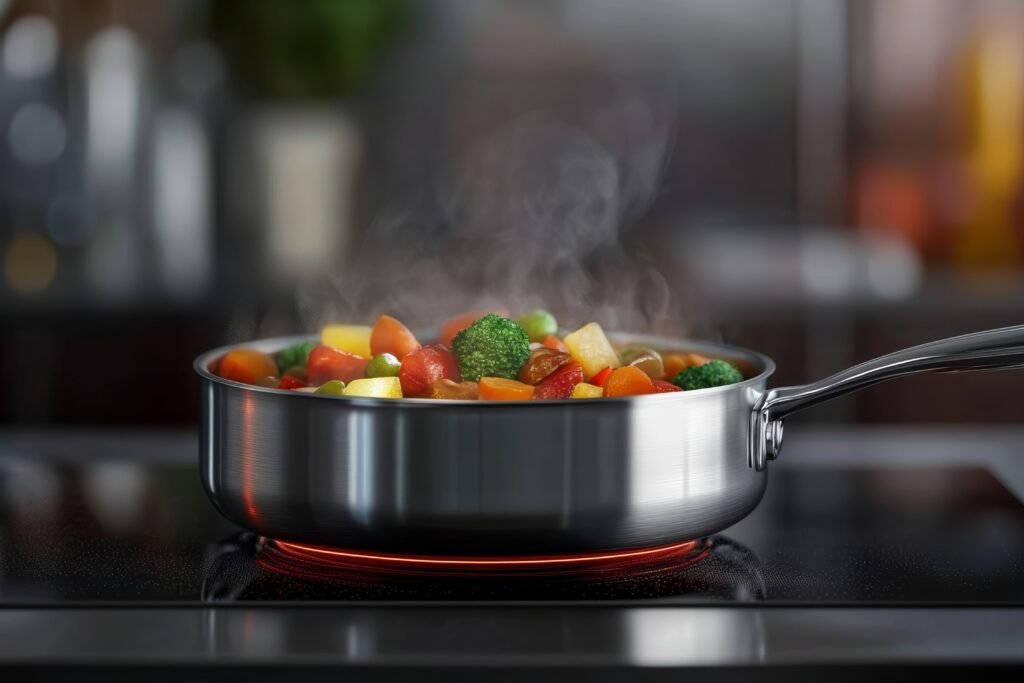
If you are looking for the single most accessible replacement for your LPG stove, the induction cooktop deserves your attention first.
Induction cooktops use electromagnetic energy to heat cookware directly. Unlike a gas flame, which loses roughly 60% of its energy to the surrounding air, an induction cooktop transfers about 90% of its energy to the pan. That efficiency translates into real savings — and faster cooking. An induction cooktop can boil six cups of water in approximately five minutes, compared to eight minutes on a gas stove.
Cost comparison that matters:
A household cooking 2–3 hours daily on an induction cooktop consumes about 90 units of electricity per month. At average domestic tariffs of ₹6–₹8 per unit, that works out to ₹540–₹720 monthly. Compare that with 1.5 to 2 LPG cylinders per month at current rates (₹913 per cylinder in Delhi), which means ₹1,370–₹1,826 monthly. The savings range from ₹600 to over ₹1,000 every month.
Annually, induction cooking costs roughly ₹6,500–₹8,600, while LPG cooking costs ₹9,000–₹16,500 depending on family size and cooking habits. The IISD report confirmed that electric cooking already costs approximately ₹5,800–₹5,900 annually, compared to ₹6,800–₹6,900 for LPG.
A decent induction cooktop from brands like Philips, Prestige, or Pigeon costs between ₹2,000 and ₹4,000. Many models now come with preset menus tailored for Indian dishes — roti, dal, biryani, deep frying — making the learning curve minimal. You will need induction-compatible cookware (stainless steel or cast iron), which may add ₹1,500–₹3,000 if your current vessels are aluminium.
If you are considering making the switch, we have put together a detailed buyer’s guide: Best Induction Cooktops to Buy in India.
The honest limitation: Induction cooktops depend entirely on electricity. In areas with frequent power cuts, an induction cooktop becomes unusable mid-meal. Urban households with stable power supply benefit the most. For those with intermittent electricity, pairing an induction cooktop with an inverter or keeping a small gas backup makes sense.
Verdict: For most urban and peri-urban Indian households, induction is the best alternative of LPG for daily cooking. The running cost is lower, the kitchen stays cooler, and you eliminate dependence on cylinder deliveries entirely.
2. Electric Pressure Cookers and Multi-Cookers — The Set-and-Forget Option
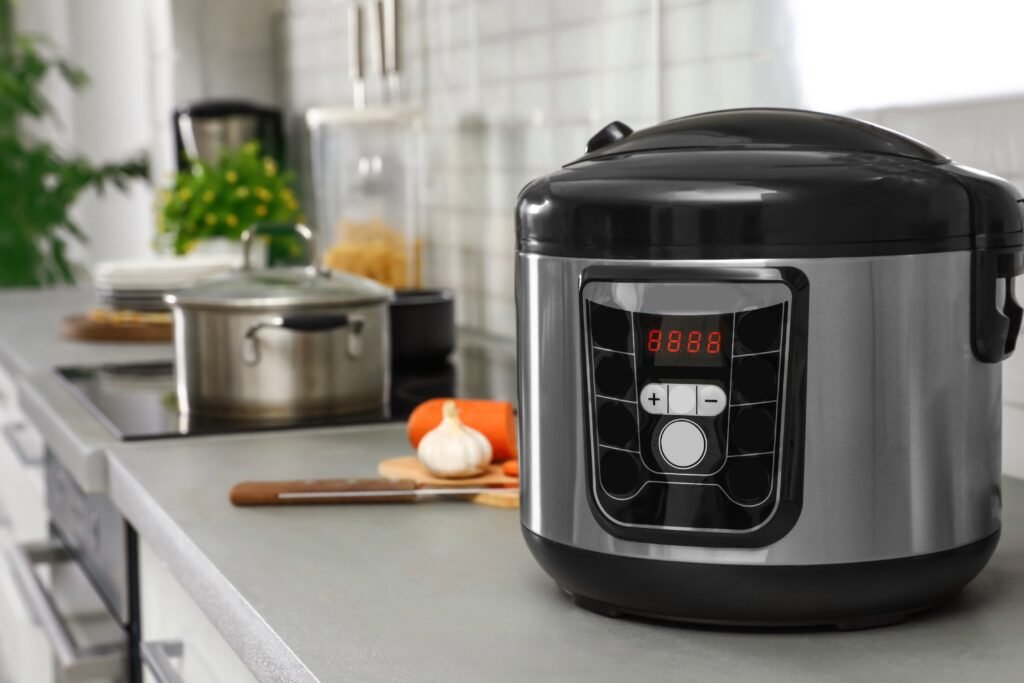
Electric pressure cookers have quietly become one of the most practical LPG alternatives in Indian kitchens, especially for families that cook dal, rice, soups, and one-pot curries regularly — which is to say, nearly every Indian family.
Modern electric pressure cookers combine multiple functions: pressure cooking, slow cooking, steaming, sautéing, and even yogurt-making. You load the ingredients, select the setting, and walk away. No monitoring. No flame adjustment. No gas cylinder anxiety.
These appliances consume significantly less energy than both LPG stoves and stovetop pressure cookers because they seal heat inside the vessel. A typical electric pressure cooker uses 700–1000 watts and runs for shorter durations than you would cook on a gas stove — the sealed environment builds pressure faster and retains heat longer.
Why this matters for Indian cooking specifically:
Dal, rajma, chole, biryani, khichdi — these staples require sustained pressure cooking. On LPG, a pot of rajma might take 30–40 minutes. An electric pressure cooker can finish it in 15–20 minutes with less energy consumed. For working professionals who struggle with time management, the hands-free operation is a real advantage — you can set dinner to cook while finishing other tasks.
Cost: A quality electric pressure cooker from brands like Instant Pot, Prestige, or Preethi costs between ₹3,000 and ₹8,000. Monthly electricity cost for moderate use runs ₹150–₹300.
Verdict: An electric pressure cooker is the best companion to an induction cooktop. Together, they can handle 80–90% of what an Indian kitchen demands, without touching an LPG cylinder.
3. Piped Natural Gas (PNG) — Cheaper, Continuous, and Expanding
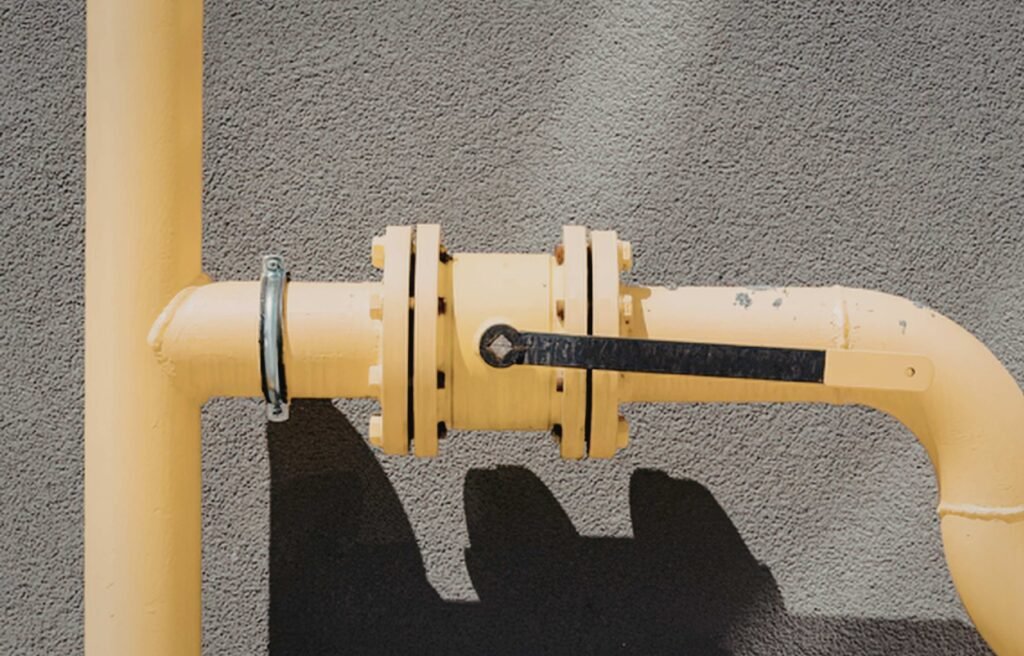
If you want the cooking experience of a gas stove without the hassle and uncertainty of LPG cylinder deliveries, Piped Natural Gas (PNG) is the closest equivalent.
PNG delivers natural gas directly to your kitchen through underground pipelines, eliminating the need for cylinder storage, booking, and refilling. In cities where PNG infrastructure exists, monthly cooking costs tend to be lower than LPG — sometimes by 20–30%.
Gas Authority of India Limited (GAIL) and city gas distribution companies like Indraprastha Gas Limited (IGL), Mahanagar Gas Limited (MGL), and Adani Total Gas are expanding PNG networks rapidly. As of 2026, PNG is available in over 200 cities and towns, with the government pushing for wider coverage under the City Gas Distribution (CGD) network.
The practical advantages:
- No cylinder booking, no waiting, no storage.
- Continuous supply — cook whenever you want, for however long you need.
- Lower per-unit cost than LPG in most cities.
- Your existing gas stove works with minimal modification (you need a PNG-compatible regulator).
The limitations:
PNG availability is still concentrated in major metros and select tier-2 cities. Installation requires a one-time connection charge (typically ₹5,000–₹7,000) and pipeline routing to your kitchen. Apartments in older buildings may face installation challenges. And while PNG is cheaper than LPG, it remains a fossil fuel — so from an environmental standpoint, it is an improvement, not a solution.
Also note that in March 2026, the government issued a Natural Gas Control Order under the Essential Commodities Act, prioritizing domestic PNG and CNG supply at 100% allocation while reducing supply to industrial consumers. This underscores both the importance and the vulnerability of gas-based cooking infrastructure.
Verdict: If PNG is available in your area, switching from LPG cylinders to piped gas is one of the easiest transitions you can make. The cooking experience barely changes, but the convenience and cost savings improve noticeably.
4. Solar Cookers — Zero Fuel Cost, Infinite Patience Required
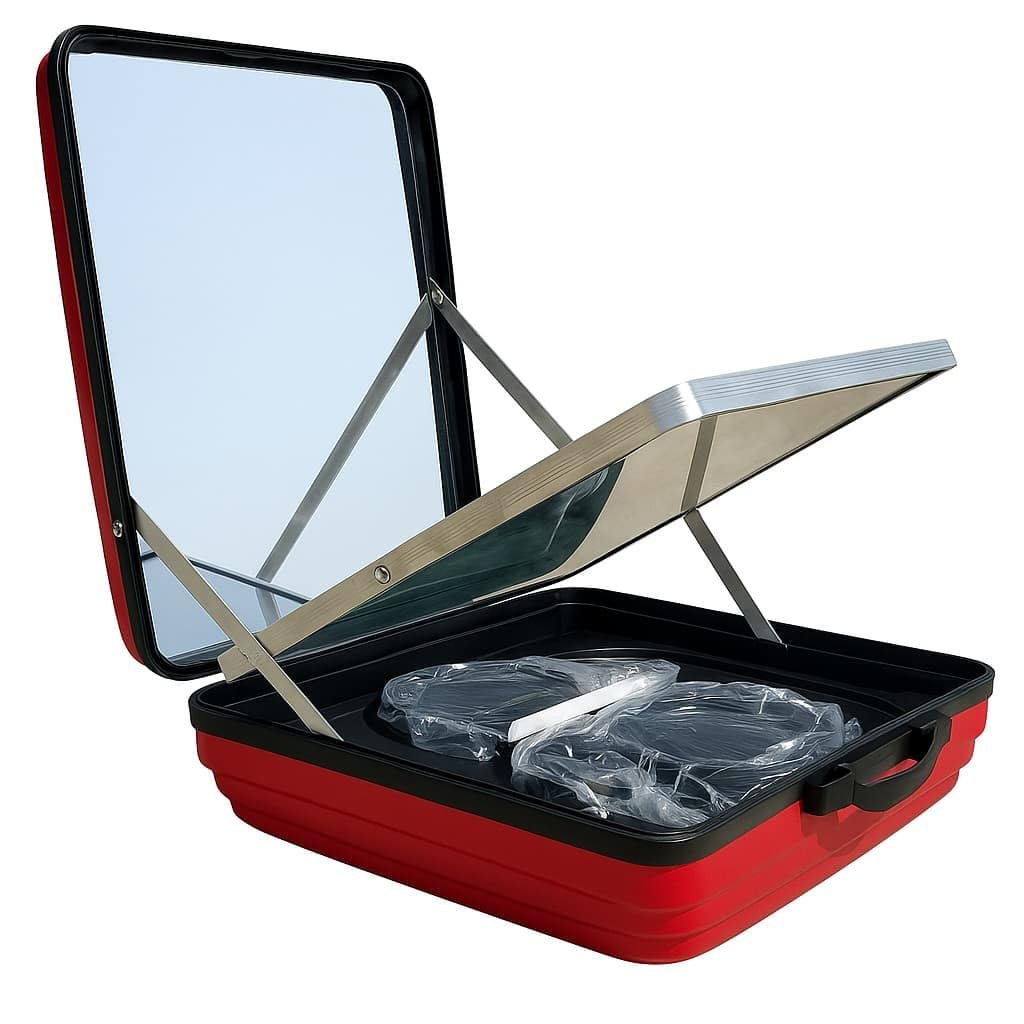
India receives over 300 days of sunshine in most regions. Solar cookers tap into that resource to cook food without any fuel cost — no gas, no electricity, no recurring expense after the initial purchase.
A basic box-type solar cooker costs between ₹2,000 and ₹5,000. Parabolic solar cookers, which concentrate sunlight more intensely and can reach higher temperatures, cost ₹5,000–₹15,000. Community-scale Scheffler dish systems are used in institutional kitchens — including some Indian Railways catering units that have begun transitioning to solar and electric cooking infrastructure.
What solar cookers can handle:
Rice, dal, vegetables, stews, kheer, soaked grains — essentially anything that benefits from slow, even heat. Solar-cooked food often retains more nutrients because the lower, sustained temperatures prevent the aggressive heat damage that open flames cause.
What solar cookers struggle with:
Anything that requires rapid high heat — roti-making, tadka, deep frying, stir-frying. These need either an induction cooktop or a gas flame. Solar cookers also depend entirely on weather and daylight. Cloudy days, monsoons, and winter afternoons reduce cooking capacity significantly.
Verdict: A solar cooker is not a full LPG replacement. It is an excellent supplementary option that can handle one or two meals per day during sunny months, substantially reducing your gas or electricity consumption. Rural households in sun-rich states like Rajasthan, Gujarat, Maharashtra, and Karnataka stand to benefit the most.
5. Biogas — The Rural Powerhouse That Urban India Is Rediscovering
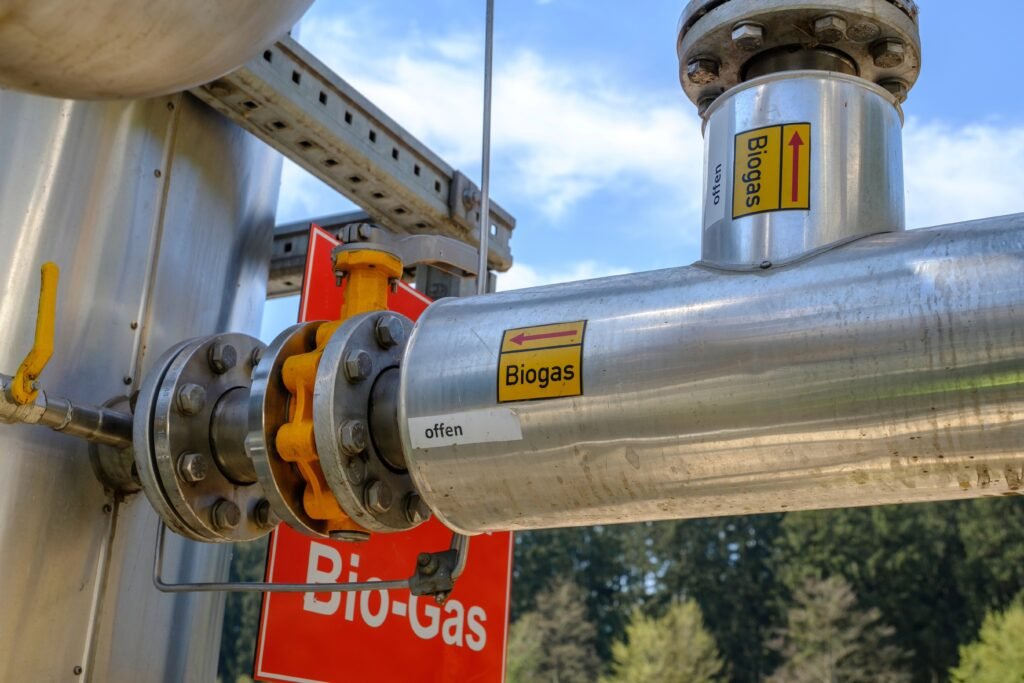
Biogas technology converts organic waste — cattle dung, food scraps, agricultural residue — into combustible methane gas that burns cleanly on a standard gas stove. The byproduct is nutrient-rich slurry that works as organic fertilizer.
India has a long history with biogas. Over 5 million biogas plants were installed across rural India over several decades. Many fell into disrepair due to poor maintenance networks and the lack of after-sales support. But the technology itself was never the problem — the delivery ecosystem was.
The IISD’s February 2026 report found that households using biogas reduced their firewood consumption by approximately 70% annually. Field research in Punjab, Rajasthan, Uttarakhand, Karnataka, and Delhi showed that prefabricated biogas models performed well, with high user satisfaction and minimal day-to-day maintenance when reliable support networks existed.
Cost and feasibility:
A household-scale biogas plant (2–4 cubic metre capacity) costs between ₹20,000 and ₹50,000. Government subsidies under the National Biogas and Manure Management Programme (NBMMP) cover up to 40% of capital costs. Even with subsidies, the upfront investment remains a barrier for many rural households — which is why additional financing support through cooperatives or microfinance institutions matters.
For biogas to work, you need a consistent supply of organic feedstock. A household with 2–3 cattle can generate enough dung to fuel daily cooking. Urban households experimenting with food-waste-to-biogas systems need compact prefabricated digesters, which are increasingly available but still niche.
Verdict: In rural India, where feedstock is abundant and LPG delivery is unreliable, biogas is arguably the best alternative of LPG — not just for cooking, but for waste management and soil health. In urban settings, community-scale biogas plants serving apartment complexes represent an emerging opportunity.
6. Microwave Ovens and Air Fryers — The Supporting Cast

Microwaves and air fryers are not complete replacements for a gas stove. But they can meaningfully reduce how much LPG or electricity your household consumes by handling a significant portion of everyday kitchen tasks.
Microwave ovens excel at reheating leftovers, cooking rice, steaming vegetables, boiling water, and preparing quick meals. A family that batch-cooks on weekends and reheats through the week can cut their stove usage dramatically. Modern microwave-convection combos can also bake and grill, expanding their utility further.
Air fryers have gained massive popularity for frying snacks, roasting vegetables, and cooking proteins with minimal oil. For an Indian household that regularly makes samosas, pakoras, cutlets, or roasted papad, an air fryer eliminates the need to heat a deep pan of oil on the gas stove.
Monthly electricity cost: A microwave used 30–40 minutes daily consumes roughly 15–25 units per month (₹90–₹200). An air fryer used 20–30 minutes daily adds about 10–15 units (₹60–₹120).
Verdict: These appliances work best alongside an induction cooktop or gas stove, not as standalone alternatives. They reduce LPG consumption rather than eliminating it — but every unit of gas saved during a supply crunch matters.
7. Electric Kettles and Rice Cookers — Small Appliances, Big Savings

Sometimes the most impactful changes are the smallest. An electric kettle that boils water for chai in 3 minutes instead of 8 minutes on a gas stove, used four times daily, saves a surprising amount of LPG over a month.
Electric rice cookers handle a task that occupies an LPG burner for 20–30 minutes every day in most Indian households. A dedicated rice cooker frees your stove and your gas for dishes that truly need a flame.
The combined effect:
If you shift tea/coffee making, water boiling, rice cooking, and reheating to electric appliances, you can reduce your monthly LPG consumption by 30–40%. That means stretching a single cylinder from 25 days to 35–40 days — a meaningful buffer during supply disruptions.
Verdict: These are not alternatives of LPG in isolation, but they are the easiest, lowest-cost entry point for any household looking to reduce gas dependence. An electric kettle costs ₹500–₹1,500. A rice cooker costs ₹1,200–₹3,000. The payback period is measured in weeks, not months.
8. Improved Biomass Cookstoves — When Modern Alternatives Are Not Accessible
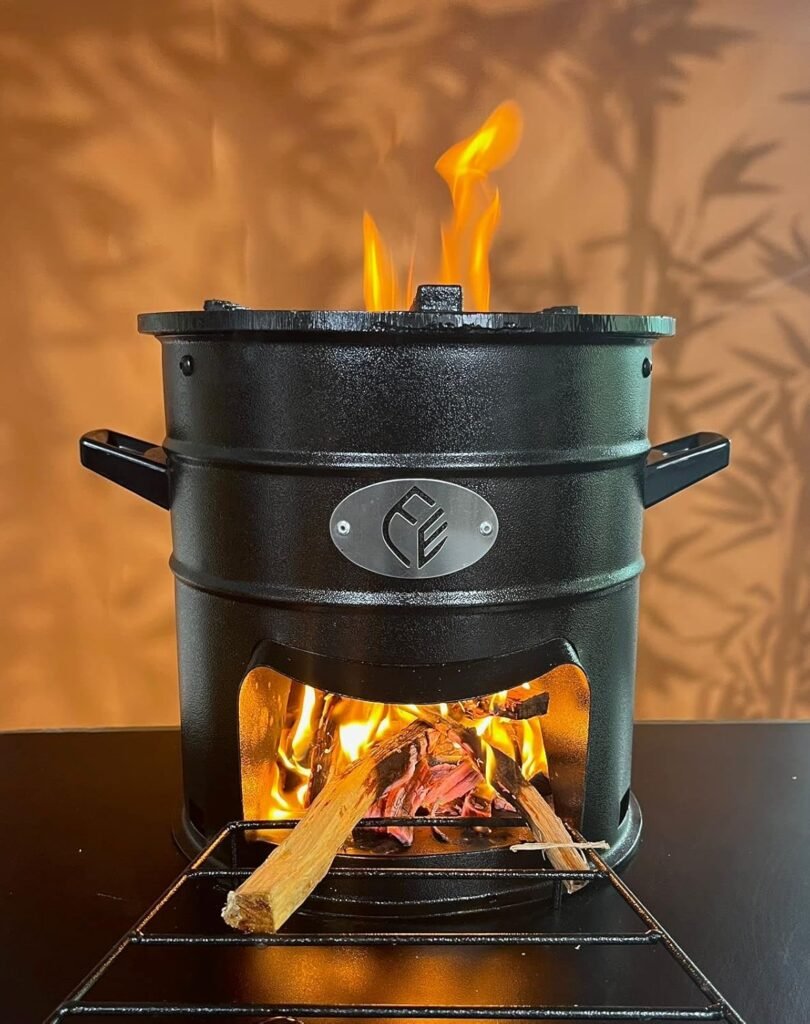
In parts of rural India where electricity is unreliable, PNG unavailable, and LPG deliveries sporadic, improved biomass cookstoves offer a realistic middle ground. These are not the traditional chulhas that fill kitchens with smoke and cause respiratory disease. Modern improved cookstoves are engineered to burn wood, agricultural waste, or pellets with significantly higher efficiency and dramatically lower emissions.
Organizations like the Indian Institute of Technology and various NGOs have developed cookstove designs that achieve 35–45% thermal efficiency, compared to 10–15% for traditional open fires. Some models use fans powered by thermoelectric generators — the heat from the fire itself generates the electricity to power the fan that improves combustion.
The reality check:
Despite their improvements, biomass cookstoves still produce some particulate emissions and require gathering fuel. They are a step forward from open fires, not a step toward modern clean cooking. The government’s long-term vision involves transitioning these households to LPG, electricity, or biogas — but in the interim, improved cookstoves prevent harm.
Verdict: For households where electricity and gas access remain limited, improved biomass cookstoves are the most realistic immediate upgrade. They should be seen as a transitional solution, not a destination.
A Practical Strategy for Every Indian Household
The smartest approach to reducing LPG dependence is not picking a single alternative — it is building a combination that matches your location, budget, and cooking habits. The IISD report calls this “fuel stacking,” and it is already how most Indian households actually operate.
For urban households (metros and tier-1 cities):
Start with an induction cooktop for primary cooking and an electric pressure cooker for dal, rice, and one-pot meals. Add an electric kettle for boiling tasks. If PNG is available in your area, consider switching your gas connection. This combination can eliminate LPG dependence entirely for most families, while also bringing down your monthly cooking cost.
For semi-urban households (tier-2 and tier-3 cities):
An induction cooktop with an inverter backup works well. Keep one LPG cylinder as emergency backup rather than your primary fuel. Electric appliances handle daily cooking; the gas stove handles power-cut days and heavy-duty tasks like roti-making.
For rural households:
Where cattle and agricultural waste are available, biogas offers the best long-term value. Pair it with a solar cooker for daytime cooking. An improved biomass cookstove serves as backup. As rural electrification improves, adding an induction cooktop becomes the natural next step.
This kind of strategic thinking about resource allocation applies to kitchens just as much as it applies to financial planning. The households that weather supply disruptions best are those that diversified before the crisis hit.
The Numbers at a Glance
Here is a summary comparison of the best alternatives of LPG, evaluated on the metrics that matter most to Indian households:
| Alternative | Upfront Cost | Monthly Running Cost | Suitability for Indian Cooking | Best For |
|---|---|---|---|---|
| Induction Cooktop | ₹2,000–₹4,000 | ₹540–₹720 | High (with compatible cookware) | Urban homes with stable electricity |
| Electric Pressure Cooker | ₹3,000–₹8,000 | ₹150–₹300 | Very High (dal, rice, curries) | Working professionals, families |
| Piped Natural Gas (PNG) | ₹5,000–₹7,000 (connection) | ₹500–₹700 | Identical to LPG | Cities with PNG infrastructure |
| Solar Cooker | ₹2,000–₹15,000 | ₹0 | Moderate (slow-cook items) | Sun-rich regions, supplementary use |
| Biogas Plant | ₹20,000–₹50,000 | ₹0 (with feedstock) | High (burns like regular gas) | Rural households with cattle/farm waste |
| Microwave Oven | ₹4,000–₹12,000 | ₹90–₹200 | Moderate (reheating, steaming) | Supplementary use, batch cooking |
| Air Fryer | ₹3,000–₹8,000 | ₹60–₹120 | Moderate (frying, roasting) | Snack preparation, oil-free cooking |
| Electric Kettle | ₹500–₹1,500 | ₹40–₹80 | Limited (boiling only) | Tea, coffee, instant noodles |
| Rice Cooker | ₹1,200–₹3,000 | ₹60–₹100 | Focused (rice, porridge) | Daily rice-cooking households |
| Improved Biomass Cookstove | ₹1,000–₹5,000 | Varies (fuel dependent) | High (traditional cooking) | Rural areas with limited electricity |
What the 2026 Crisis Teaches Us About Kitchen Resilience
The LPG supply disruption of March 2026 was not the first sign of vulnerability, but it was the loudest. Indian households had weathered steady price increases over the past several years — from ₹594 per cylinder in September 2020 to ₹913 in March 2026. But a supply cut is different from a price hike. A price hike strains your budget. A supply cut empties your kitchen.
The lesson is clear: no household should depend entirely on a single fuel source for something as fundamental as feeding a family. The best alternatives of LPG are not replacements born out of crisis — they are investments in resilience that happen to save money, reduce environmental impact, and modernize the way India cooks.
Indian Railways catering units have already begun transitioning to electric cooking infrastructure. The IISD estimates that scaling electric cooking could halve India’s LPG demand by 2050 and save over ₹2 trillion in cumulative subsidies. The direction is clear. The question is whether individual households will wait for the next disruption — or prepare now.
Start with what is within reach. An induction cooktop and an electric kettle. Or a solar cooker on the terrace. Or a conversation with your local gas distribution company about PNG availability. The best alternative of LPG is the one you set up before you need it.
Frequently Asked Questions
Which is the cheapest alternative to LPG for cooking in India?
An induction cooktop is the cheapest daily-use alternative for most urban Indian households. Monthly electricity costs for induction cooking range from ₹540 to ₹720, compared to ₹1,370–₹1,826 for LPG at current prices. For rural households with cattle, biogas has zero recurring fuel cost after the initial investment.
Can induction cooktops handle all Indian cooking styles?
Induction handles most daily cooking tasks — boiling, frying, tempering, pressure cooking, and curry preparation. Making roti on an induction tawa takes some practice, as the heat distribution differs from a gas flame. Many families use induction for 80% of their cooking and keep a single-burner gas stove for roti and specific preparations.
Is it worth installing a biogas plant at home?
If your household has consistent access to organic waste (cattle dung, food waste, or agricultural residue), a biogas plant pays for itself within 2–3 years through saved LPG costs. The slurry byproduct also serves as excellent organic fertilizer. Government subsidies can cover 30–40% of installation costs.
What happens during power cuts if I switch to electric cooking?
This is the most common concern, and it is valid. The practical solution is fuel stacking — keeping a small LPG cylinder or improved cookstove as backup specifically for power-cut situations. Households with rooftop solar panels and battery storage can maintain electric cooking even during grid outages.
Is PNG safer than LPG?
PNG is considered safer because natural gas is lighter than air — in case of a leak, it disperses upward and dissipates. LPG is heavier than air and pools at floor level, creating a higher explosion risk. PNG also eliminates the risk of cylinder handling, storage, and transport accidents.
How much can I save annually by switching from LPG to induction cooking?
Depending on your cooking habits, electricity tariff, and current LPG consumption, most households save between ₹3,000 and ₹8,000 annually by switching to induction as their primary cooking method. The savings increase further if you combine induction with solar cooking or an electric pressure cooker.
This article is part of Lifoholic’s commitment to practical lifestyle guidance for Indian households. For more on building resilient daily habits and making smarter decisions about money and resources, explore our Life Style and Business sections.