
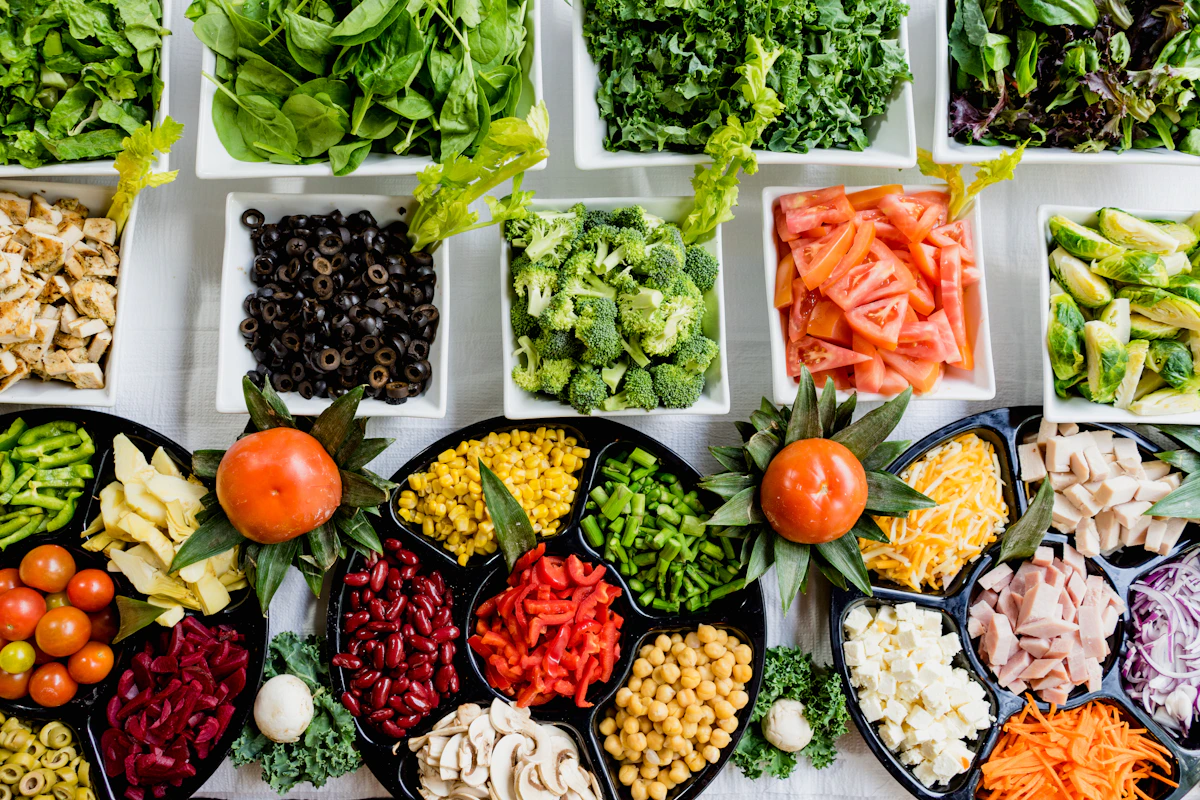
Busy weekdays can make healthy eating feel harder than it should be. Work runs late. Errands pile up. By the time dinner comes around, takeout starts to feel like the easiest answer.
Plant-Based Power Meals can change that. They are fast, filling, and built around simple ingredients like beans, lentils, tofu, tempeh, edamame, whole grains, nuts, seeds, and vegetables. The right meal can give you protein, fiber, color, and comfort without keeping you in the kitchen for an hour.
The goal is not perfect eating. The goal is a better weekday system. With a few smart staples and quick recipes, you can make nutrient-dense meals in under 20 minutes from cutting board to table.
This guide shares practical Plant-Based Power Meals, simple prep tips, and nutrition-backed ideas to help you eat well when your schedule is full.
Why Plant-Based Power Meals Work for Busy People
A weekday meal has to do more than look healthy. It needs to keep you full. It needs to taste good. It also needs to fit into real life.
That is why plant-based meals work well when they are planned with care. Beans, lentils, soy foods, nuts, seeds, and whole grains can add protein and texture. Vegetables add volume, color, and micronutrients. Sauces add flavor and make the meal feel complete.
The USDA includes beans, peas, lentils, nuts, seeds, and soy products such as tofu and tempeh in the protein foods group. That matters because many people still think protein only comes from meat, eggs, or dairy.
Plant-based meals can also help with fiber. The Dietary Guidelines for Americans list dietary fiber as a nutrient many people do not get enough of. Foods like lentils, chickpeas, black beans, oats, quinoa, vegetables, chia seeds, and flax seeds can help close that gap.
Therefore, a good plant-based weekday meal should not be a plain salad. It should be a balanced plate with protein, fiber, healthy fats, and flavor.
What Makes a Plant-Based Meal Balanced?
A balanced meal does not need to be complicated. Use this simple structure.
First, choose a protein. Good options include tofu, tempeh, lentils, chickpeas, black beans, edamame, white beans, seitan, hemp seeds, pumpkin seeds, and peanut butter.
Next, add a smart carbohydrate. Try quinoa, brown rice, whole-wheat pasta, oats, sweet potato, whole-grain pita, or soba noodles.
Then, add vegetables. Use fresh, frozen, roasted, or raw vegetables. Spinach, broccoli, peppers, carrots, cabbage, cucumber, mushrooms, tomatoes, and zucchini all work well.
After that, add healthy fat. Tahini, avocado, olive oil, nuts, seeds, and hummus can make the meal more satisfying.
Finally, add sauce. This is where weekday meals become enjoyable. Peanut sauce, lemon tahini, salsa, pesto, curry sauce, soy ginger sauce, and hot sauce can turn basic ingredients into something you want to eat again.
A Quick Nutrition Note Before You Start
Protein needs are personal. Body size, age, activity level, health goals, and medical needs can all change how much protein someone needs. A common adult reference point is 0.8 grams of protein per kilogram of body weight per day, but active people and older adults may need more.
Fiber needs also vary. The Dietary Guidelines for Americans recommend about 22 to 34 grams of fiber daily for adults, depending on age and sex.
So, use the recipes below as flexible meal ideas, not medical advice. If you have a medical condition, digestive issue, pregnancy-related need, allergy, or special nutrition goal, speak with a qualified health professional.
The 20-Minute Power Meal Formula
Use this formula when you do not want to follow a full recipe.
Protein + grain or wrap + vegetables + healthy fat + sauce = weekday power meal.
For example:
Chickpeas + quinoa + spinach + avocado + lemon tahini.
Tofu + brown rice + broccoli + sesame seeds + soy ginger sauce.
Black beans + tortillas + cabbage + guacamole + salsa.
Edamame + noodles + carrots + peanut butter + lime sauce.
Lentils + rice + tomatoes + olive oil + curry spices.
This formula keeps Plant-Based Power Meals fast. It also makes them easy to repeat without getting bored.
Chickpea Avocado Power Bowl
This bowl is creamy, fresh, and filling. It works for lunch or dinner.
Time
10 minutes
Serves
2
Ingredients
- 1 can chickpeas, drained and rinsed
- 1 avocado
- 2 cups baby spinach
- 1 cup cooked quinoa or microwave brown rice
- 1 cucumber, chopped
- 1 tomato, chopped
- 1 tablespoon lemon juice
- 1 tablespoon olive oil
- 2 tablespoons pumpkin seeds
- Salt, black pepper, and chili flakes
Method
Add half the chickpeas, avocado, lemon juice, salt, and pepper to a bowl. Mash lightly.
Next, divide quinoa or rice between two bowls. Add spinach, cucumber, tomato, and the remaining chickpeas.
Then, spoon the avocado chickpea mash on top. Drizzle with olive oil.
Finally, add pumpkin seeds and chili flakes.
Why It Works
Chickpeas add protein and fiber. Avocado adds healthy fat and creaminess. Pumpkin seeds add crunch. As a result, the meal feels complete without much cooking.
Tofu Scramble Wrap
This wrap is warm, savory, and easy to make after a long day.
Time
15 minutes
Serves
2
Ingredients
- 1 block firm tofu
- 2 whole-wheat tortillas
- 1 cup chopped bell peppers
- 1 cup spinach
- 1 tablespoon olive oil
- 1 teaspoon turmeric
- 1 teaspoon garlic powder
- 1 tablespoon nutritional yeast
- Salt and black pepper
- Salsa or hot sauce
Method
Pat the tofu dry. Then, crumble it with your hands.
Heat olive oil in a pan. Add bell peppers and cook for three minutes.
Next, add tofu, turmeric, garlic powder, nutritional yeast, salt, and pepper. Cook for five to seven minutes.
Add spinach and stir until it softens.
Finally, spoon the tofu scramble into tortillas. Add salsa or hot sauce and roll.
Why It Works
Tofu is quick, flexible, and protein-rich. Nutritional yeast adds a savory flavor. The tortilla makes the meal easy to eat at home or pack for later.
Peanut Edamame Noodles
This meal tastes rich but takes very little time. It also works well cold the next day.
Time
15 minutes
Serves
2
Ingredients
- 160 grams soba noodles or whole-wheat noodles
- 1 cup shelled edamame
- 1 cup shredded carrots
- 1 cup sliced cabbage
- 2 tablespoons peanut butter
- 1 tablespoon soy sauce
- 1 tablespoon lime juice
- 1 teaspoon maple syrup
- 1 teaspoon grated ginger
- Warm water, as needed
- Sesame seeds
Method
Cook the noodles according to the package. Add edamame during the last two minutes. Drain well.
In a small bowl, whisk peanut butter, soy sauce, lime juice, maple syrup, ginger, and warm water until smooth.
Next, toss noodles, edamame, carrots, cabbage, and sauce together.
Finally, top with sesame seeds.
Why It Works
Edamame adds plant protein. Peanut sauce adds healthy fat and flavor. Cabbage and carrots add crunch. Therefore, this meal feels fresh and satisfying.
Black Bean Taco Skillet
This skillet is fast, warm, and budget-friendly. It uses simple pantry staples.
Time
18 minutes
Serves
3
Ingredients
- 1 can black beans, drained and rinsed
- 1 cup corn
- 1 cup cooked rice
- 1 cup salsa
- 1 small onion, chopped
- 1 bell pepper, chopped
- 1 tablespoon olive oil
- 1 teaspoon cumin
- 1 teaspoon smoked paprika
- Lime juice
- Cilantro
- Tortillas or lettuce cups
Method
Heat olive oil in a pan. Add onion and bell pepper. Cook for four minutes.
Next, add black beans, corn, rice, salsa, cumin, and smoked paprika. Stir well.
Cook for eight to ten minutes.
Then, finish with lime juice and cilantro.
Serve with tortillas or lettuce cups.
Why It Works
Black beans and rice make the meal filling. Salsa gives quick flavor. Also, the whole recipe uses ingredients many people already keep at home.
Red Lentil Coconut Curry
Red lentils cook faster than many other legumes. That makes them perfect for busy weekdays.
Time
20 minutes
Serves
3
Ingredients
- 1 cup red lentils, rinsed
- 1 cup light coconut milk
- 2 cups vegetable broth
- 1 cup chopped tomatoes
- 2 cups spinach
- 1 tablespoon curry powder
- 1 teaspoon garlic paste
- 1 teaspoon ginger paste
- Salt
- Lemon juice
- Cooked rice or flatbread
Method
Add lentils, coconut milk, broth, tomatoes, curry powder, garlic, ginger, and salt to a pot.
Bring to a boil. Then, reduce heat and simmer for about 15 minutes. Stir often.
Add spinach during the last two minutes.
Finish with lemon juice.
Serve with rice or flatbread.
Why It Works
Red lentils soften quickly and create a creamy texture. The curry powder adds deep flavor without needing many spices. This is one of the easiest Plant-Based Power Meals for cold or tiring evenings.
White Bean Pesto Pasta
This pasta is creamy without cream. It is also a smart way to add beans to a comfort meal.
Time
18 minutes
Serves
3
Ingredients
- 200 grams whole-wheat pasta
- 1 can white beans, drained and rinsed
- 2 cups spinach
- 3 tablespoons vegan pesto
- 1 tablespoon olive oil
- Lemon zest
- Black pepper
- Pasta water, as needed
Method
Cook pasta according to the package. Save half a cup of pasta water before draining.
Warm olive oil in a pan. Add white beans and spinach. Cook for three minutes.
Next, add pasta, pesto, lemon zest, and black pepper.
Add a little pasta water to make the sauce smooth.
Serve warm.
Why It Works
White beans add protein and fiber. Whole-wheat pasta adds more staying power than refined pasta. Pesto brings flavor quickly, so the recipe does not feel plain.
Hummus Veggie Pita
This is the fastest meal in the guide. It needs almost no cooking.
Time
8 minutes
Serves
2
Ingredients
- 2 whole-wheat pitas
- 1 cup hummus
- 1 cucumber, sliced
- 1 tomato, sliced
- 1 cup shredded lettuce
- 1 carrot, grated
- 2 tablespoons hemp seeds
- Lemon juice
- Black pepper
Method
Warm the pitas if you like.
Spread hummus inside each pita.
Add cucumber, tomato, lettuce, carrot, and hemp seeds.
Finish with lemon juice and black pepper.
Why It Works
Hummus gives creaminess and flavor. Hemp seeds add extra protein and healthy fat. Also, this meal takes less than 10 minutes, which makes it useful on the busiest days.
Tempeh Lettuce Cups
Tempeh has a firm texture and nutty flavor. It works well when crumbled and cooked with sauce.
Time
15 minutes
Serves
2
Ingredients
- 200 grams tempeh
- 8 lettuce leaves
- 1 cup shredded carrots
- 1 cucumber, sliced
- 1 tablespoon soy sauce
- 1 tablespoon maple syrup
- 1 tablespoon lime juice
- 1 teaspoon sesame oil
- 1 teaspoon garlic paste
- Chili flakes
- Crushed peanuts
Method
Crumble the tempeh into small pieces.
Heat sesame oil in a pan. Add tempeh and cook for five minutes.
Next, add soy sauce, maple syrup, lime juice, garlic, and chili flakes. Cook for three more minutes.
Spoon tempeh into lettuce leaves.
Add carrots, cucumber, and crushed peanuts.
Why It Works
This meal is light but satisfying. The sauce adds sweet, salty, and spicy notes. The vegetables bring freshness and crunch.
How to Prep Once and Eat Better All Week
You do not need to meal prep every meal. That can feel like another chore. Instead, prep building blocks.
Cook one grain. Brown rice, quinoa, or farro can become bowls, salads, wraps, and skillets.
Wash two vegetables. Spinach, cabbage, cucumber, carrots, and peppers are easy to use in many meals.
Keep two proteins ready. Choose tofu, chickpeas, lentils, edamame, or black beans.
Make one sauce. Lemon tahini, peanut lime, salsa, or pesto can save a bland meal.
Finally, keep frozen vegetables on hand. They are useful when fresh food runs out.
If your bigger challenge is starting healthy routines, this Lifoholic guide on how to overcome procrastination can help you build a calmer weekday system.
Smart Grocery List for Plant-Based Power Meals
Use this list to make weekday cooking easier.
Proteins
- Tofu
- Tempeh
- Chickpeas
- Black beans
- White beans
- Red lentils
- Edamame
- Hummus
- Pumpkin seeds
- Hemp seeds
Grains and Bases
- Brown rice
- Quinoa
- Whole-wheat pasta
- Soba noodles
- Whole-wheat tortillas
- Whole-wheat pita
- Sweet potatoes
Vegetables
- Spinach
- Bell peppers
- Cabbage
- Carrots
- Cucumber
- Tomatoes
- Broccoli
- Mushrooms
- Frozen mixed vegetables
Sauces and Flavor
- Tahini
- Peanut butter
- Soy sauce
- Salsa
- Lemon
- Lime
- Garlic
- Ginger
- Curry powder
- Smoked paprika
- Nutritional yeast
- Vegan pesto
Common Mistakes to Avoid
The first mistake is eating only vegetables. Vegetables are important, but they may not keep you full alone. Add protein, healthy fat, and a smart carbohydrate.
The second mistake is forgetting flavor. A sauce, spice blend, or fresh herb can completely change a meal.
The third mistake is avoiding shortcuts. Canned beans, frozen vegetables, microwave grains, and ready hummus can be helpful.
The fourth mistake is not eating enough. Some plant-based meals are lighter than expected. Therefore, build your plate with enough food to support your day.
The fifth mistake is making every meal too different. Repeating a few base ingredients saves time, money, and effort.
Easy Meal Combinations for Busy Nights
Use these ideas when you are tired and need food fast.
Chickpeas + quinoa + spinach + tahini.
Tofu + rice + broccoli + soy ginger sauce.
Black beans + tortillas + cabbage + salsa.
Edamame + noodles + carrots + peanut sauce.
Lentils + rice + tomatoes + curry powder.
White beans + pasta + pesto + lemon.
Hummus + pita + cucumber + hemp seeds.
These combinations are simple, but they work. They also prove that Plant-Based Power Meals do not need to feel complicated.
FAQ
What are Plant-Based Power Meals?
Plant-Based Power Meals are balanced meals made with plant foods such as beans, lentils, tofu, tempeh, whole grains, vegetables, nuts, and seeds. They are designed to be filling, nutrient-dense, and practical for busy days.
Can plant-based meals be high in protein?
Yes. Tofu, tempeh, lentils, chickpeas, black beans, edamame, quinoa, nuts, and seeds can all add protein. The key is to include at least one strong plant protein in every meal.
What is the fastest plant-based weekday meal?
A hummus veggie pita is one of the fastest options. It can be ready in about eight minutes. Peanut edamame noodles and chickpea bowls are also quick.
Are canned beans healthy?
Yes, canned beans can be a healthy shortcut. Choose low-sodium options when possible. Also, rinse them before using to reduce extra sodium.
How can I make plant-based meals more filling?
Add protein, fiber, healthy fat, and carbohydrates. For example, combine lentils, rice, vegetables, and tahini. This makes the meal more balanced and satisfying.
Do I need supplements on a plant-based diet?
It depends on your overall diet. People eating fully vegan diets often need to pay attention to vitamin B12. Some people may also need support with vitamin D, iron, iodine, calcium, or omega-3 fats. Ask a doctor or registered dietitian for personal advice.
Can I meal prep these recipes?
Yes. Cook grains, wash vegetables, and make sauces ahead of time. Then, mix and match ingredients during the week.
Are Plant-Based Power Meals good for weight management?
They can be helpful when they include enough protein, fiber, and whole foods. However, weight management depends on total diet, portions, activity, sleep, stress, and health needs.
Conclusion
Plant-Based Power Meals make healthy weekday eating easier. They are quick, flexible, and built from ingredients that support fullness and flavor.
Start with one protein. Add one grain or wrap. Then, include vegetables, healthy fat, and a sauce you enjoy. This simple system can create bowls, wraps, noodles, skillets, salads, and curries in 20 minutes or less.
You do not need perfect meal prep or complicated recipes. You only need a few reliable staples and a simple plan. Once those are ready, plant-based eating becomes less stressful and much easier to repeat.
Join the Lifoholic community conversation. We welcome thoughtful insights, questions, and authentic experiences from our readers.
RECOMMENDED DISCUSSIONS